Seen. Everywhere.

£100,000 Raised From a Single Meta Campaign

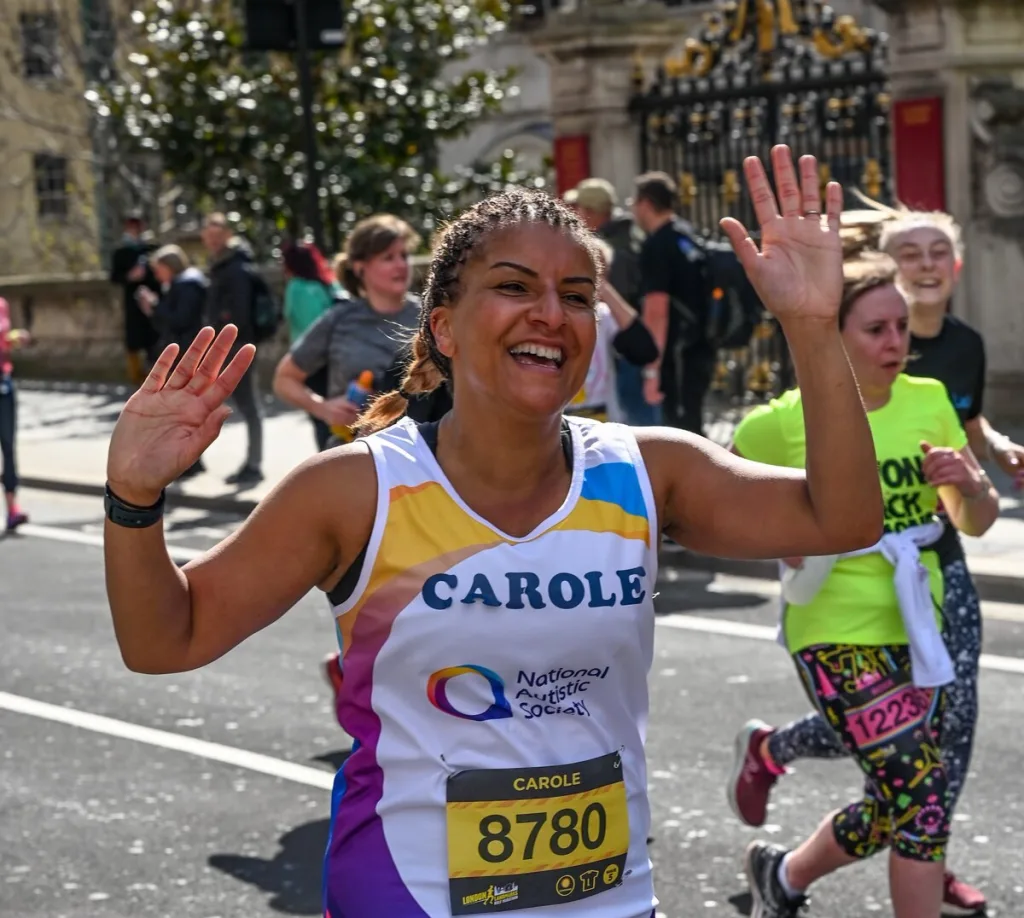
The National Autistic Society needed people to walk 100 miles in a month, not simply to say they would. Absolute Digital Media built a Meta lead generation campaign that routed every sign-up straight into a peer support community. The money came from completion, not from registration.

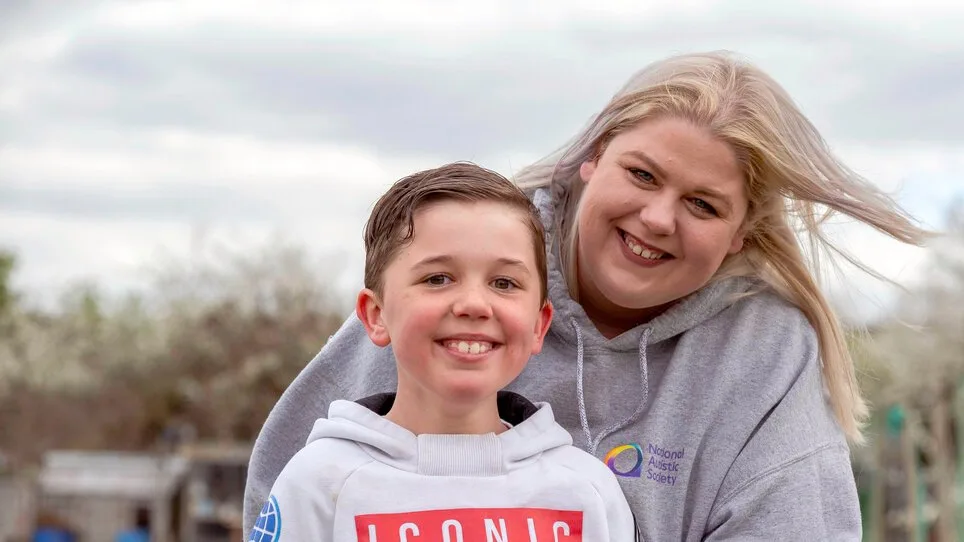
National Autistic Society supporters and fundraisers

What did Absolute Digital Media achieve for The National Autistic Society?

Absolute Digital Media's Paid Social campaign for The National Autistic Society delivered £100,000+ Funds raised through Facebook (campaign reporting), 2,199 completed challenge registrations, £45+ raised per registration (derived from the two figures above) and 3 Further Meta campaigns the relationship extended to.

National Autistic Society supporters and fundraisers
The client

A charity with its own creative team

The National Autistic Society is the UK’s leading charity for autistic people and their families, providing information, support and advocacy across the country. The charity runs several fundraising events each year alongside its service delivery and campaigning work.

It maintains its own in-house creative team, which shapes how an agency relationship works: the requirement is strategic and operational support rather than full-service production. Absolute Digital Media’s relationship with the charity began with Google Ad Grant management and paid media for World Autism Acceptance Week, and widened to Meta activity when the charity sought additional support. The 100 Miles challenge was the first of that Meta work, and the reason there is now more of it.

The results

Over £45 raised for every registration

Funds raised and registrations are from Absolute Digital Media campaign reporting in Meta Ads, with funds raised reflecting Facebook fundraising attributed to the campaign. Raised per registration is derived by dividing one by the other and is a floor, since the funds figure is a minimum. Media spend is not published for this engagement, so the page makes no claim about return on ad spend; the ratio it does claim, money raised per sign-up, is the one a fundraising campaign should be judged on.

£100000+
Funds raised through Facebook, campaign reporting
2199
Completed challenge registrations
£45+
Raised per registration, derived from the two figures above
3
Further Meta campaigns the relationship extended to
Independently judged

A multi-award-winning agency

European Agency AwardsIntegrated Agency of the Year - SilverEuropean Agency Awards 2026European Search AwardsBest Use of Search B2C (PPC) Small (The Swallow Co.)European Search Awards 2026UK Digital Excellence AwardsStandout B2C Ecommerce Website of the Year (Stelrad)UK Digital Excellence Awards 2026UK Paid Media AwardsBest Integrated Paid Media CampaignUK Paid Media Awards 2026UK Agency AwardsBest New Business CampaignUK Agency Awards 2025UK Search AwardsBest Use Of Search (Retail/Ecommerce) - SEOUK Search Awards 2024European Agency AwardsIntegrated Agency of the Year - SilverEuropean Agency Awards 2026European Search AwardsBest Use of Search B2C (PPC) Small (The Swallow Co.)European Search Awards 2026UK Digital Excellence AwardsStandout B2C Ecommerce Website of the Year (Stelrad)UK Digital Excellence Awards 2026UK Paid Media AwardsBest Integrated Paid Media CampaignUK Paid Media Awards 2026UK Agency AwardsBest New Business CampaignUK Agency Awards 2025UK Search AwardsBest Use Of Search (Retail/Ecommerce) - SEOUK Search Awards 2024
The challenge

A challenge event raises money when someone finishes, not when they sign up

The strategy

The choices that shaped the campaign

National Autistic Society supporters and fundraisers
01 Decision one

Build the community into the conversion path, not after it

Sign-up was designed so that on completion, participants were prompted to join a dedicated Facebook Group created to support people taking on the challenge. The community was part of the campaign mechanic rather than a follow-up communication. The rejected alternative was treating the sign-up as the finish line: a hundred miles in a month is achievable and easy to abandon alone, and putting every participant into a group of people attempting the same thing is what converts a registration into a completed challenge.

National Autistic Society supporters and fundraisers
02 Decision two

Use native lead generation forms rather than drive to the website

Registration ran through Meta lead generation forms, keeping the entire sign-up inside the platform where the person was already scrolling, with fields pre-populated from their profile. The rejected alternative was sending traffic to a website landing page: it offers more control over the experience and it adds a page load, a new interface and several more fields between interest and registration, all of which cost sign-ups.

National Autistic Society supporters and fundraisers
03 Decision three

Advise the in-house creative team rather than replace it

Multiple planning sessions were held ahead of launch to advise on creative approach and confirm the assets needed to promote the challenge effectively, with the charity’s own team producing them. The rejected alternative was taking creative production in-house at the agency: the charity has a team that understands its audience and holds its brand, and an agency that insists on owning production in that situation is buying revenue rather than adding value.

National Autistic Society supporters and fundraisers
04 Decision four

Align messaging across every channel before launch

All copy was shared with Absolute Digital Media ahead of ads going live so that paid activity carried the same messaging as the charity’s own channels. The rejected alternative was writing ad copy independently to optimise for platform performance: consistency matters more than marginal click-through gains when a supporter may see the campaign on social, in an email and on the website within the same week.

The team behind the campaign

Who worked on this account

The results

The charity's most successful challenge campaign to date

The campaign generated 2,199 sign-ups and raised more than £100,000 through Facebook, which is over £45 raised for every registration the campaign produced. That figure is the one worth holding onto, because it measures what the campaign was actually for. A lead generation campaign reporting 2,199 sign-ups tells you nothing about whether any money arrived.

The charity has described the impact of the wider programme in its own terms: training helpline volunteers who went on to support more than 250 individuals over six months, and funding the recruitment of an ageing specialist providing expert support to an average of 50 individuals and families a month. Those outcomes are the charity’s account of the whole relationship, including the Google Ad Grant work, rather than of this campaign alone.

Two things made the difference. Designing for the outcome rather than the conversion event: the measurable action available was a sign-up, and optimising towards it would have produced a good-looking report and a fraction of the money. And working around the charity’s existing capability rather than through it, a less profitable engagement model, and the reason the relationship now covers five campaigns rather than one.

Measure Figure Source
Funds raised through Facebook £100,000+ Campaign reporting, Meta Ads
Completed challenge registrations 2,199 Campaign reporting, Meta Ads
Raised per registration, derived £45+ Derived from the two figures above
Standing Most successful challenge campaign to date Client-confirmed
Relationship Extended to three further Meta campaigns Client-confirmed

Media spend is not published for this engagement, so no return on ad spend is claimed. Raised per registration is a floor, since the funds figure is stated as a minimum.

In their words

What The National Autistic Society say

Frequently asked questions

Charity paid social and fundraising, answered

How do you measure the success of a charity fundraising campaign?

Against funds raised, not sign-ups. The National Autistic Society’s challenge generated 2,199 registrations and raised over £100,000, which is more than £45 per sign-up. Registration counts describe activity, and in challenge events a substantial proportion of registrations never convert into donations.

Why do challenge event sign-ups not convert into donations?

Because the money depends on completion, and completion depends on motivation weeks after the advertising stopped. Somebody who registers to walk 100 miles and abandons it in week two raises nothing. Anything that improves completion rates improves income more than additional sign-ups would.

Should charities use Facebook Groups in campaigns?

For challenge events, they are one of the most effective tools available. Prompting every participant to join a dedicated group at the point of registration creates peer accountability that sustains the challenge after the campaign ends, which is when the fundraising actually happens.

Are Meta lead generation forms better than landing pages?

For sign-ups, usually. Native forms keep the person inside the platform, pre-populate fields from their profile and remove the page load entirely. A landing page offers more control over the experience at the cost of completion rate, which matters when the objective is registration volume.

How should an agency work with an in-house charity creative team?

By advising early and producing nothing the client can produce better. Planning sessions ahead of launch to confirm which assets are needed, followed by alignment on messaging across channels, delivers a stronger campaign than an agency duplicating an existing capability.

How much does Meta advertising cost for a charity fundraising campaign?

Cost is driven by campaign complexity and the number of events supported rather than by media spend alone. What matters more is the ratio: a campaign raising over £45 for every sign-up generated clears the efficiency bar a charity has to meet before spending on advertising is justified.

Can charities run multiple fundraising campaigns on Meta in a year?

Yes, and the audiences compound. The National Autistic Society runs several events annually, and each campaign builds engagement data and community that make the next one cheaper to deliver. Treating them as one continuous programme rather than separate projects is what produces that effect.

What is the difference between a Google Ad Grant and paid Meta activity?

The Grant provides free Google Ads spend under tighter operating restrictions, which suits always-on search visibility. Paid Meta reaches people who are not searching, which is what a fundraising challenge requires. Most charities need both, and the two answer different questions.

Work with us

Strong sign-ups, disappointing income?

If your challenge event campaigns generate strong sign-up numbers and disappointing income, the conversation worth having is about what happens to a participant in week two. The National Autistic Society’s £100,000 came from answering that before the first ad ran.