I have worked with Absolute Digital Media for a number of years now, and across multiple sites. I must say, not only are they a pleasure to work with, but they have gained fantastic results for all three of my business websites. They have kept me well informed along the way, and given solid advice on how to get the most out of the campaigns too. Highly recommended.
Monthly Conversions from 52 to 365
How Absolute Digital Media built a local page system for a UK-wide emergency glazier and turned a 122% traffic rise into a 602% conversion rise.


What did Absolute Digital Media achieve for Montrose Glass?
Absolute Digital Media's SEO campaign for Montrose Glass delivered +602% monthly conversions (from 52 to 365), 2,757 ranking keywords (from 844), +122% monthly traffic (all channels) and 33 new SERP features gained.

Emergency glazing, bought under pressure, locally
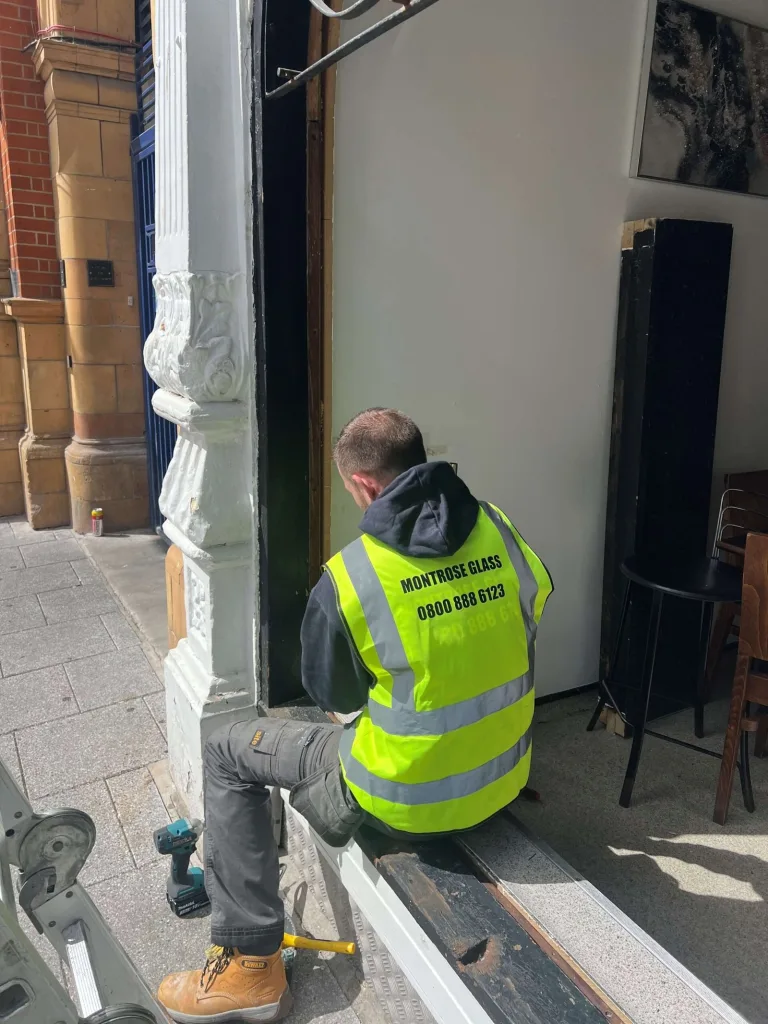
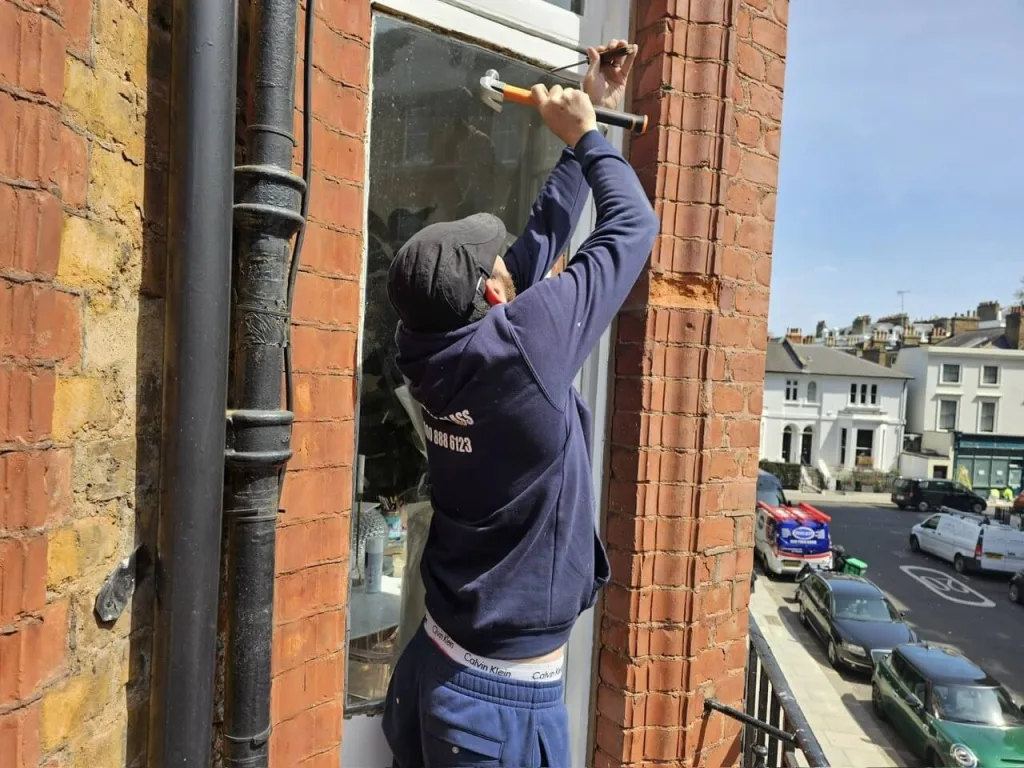
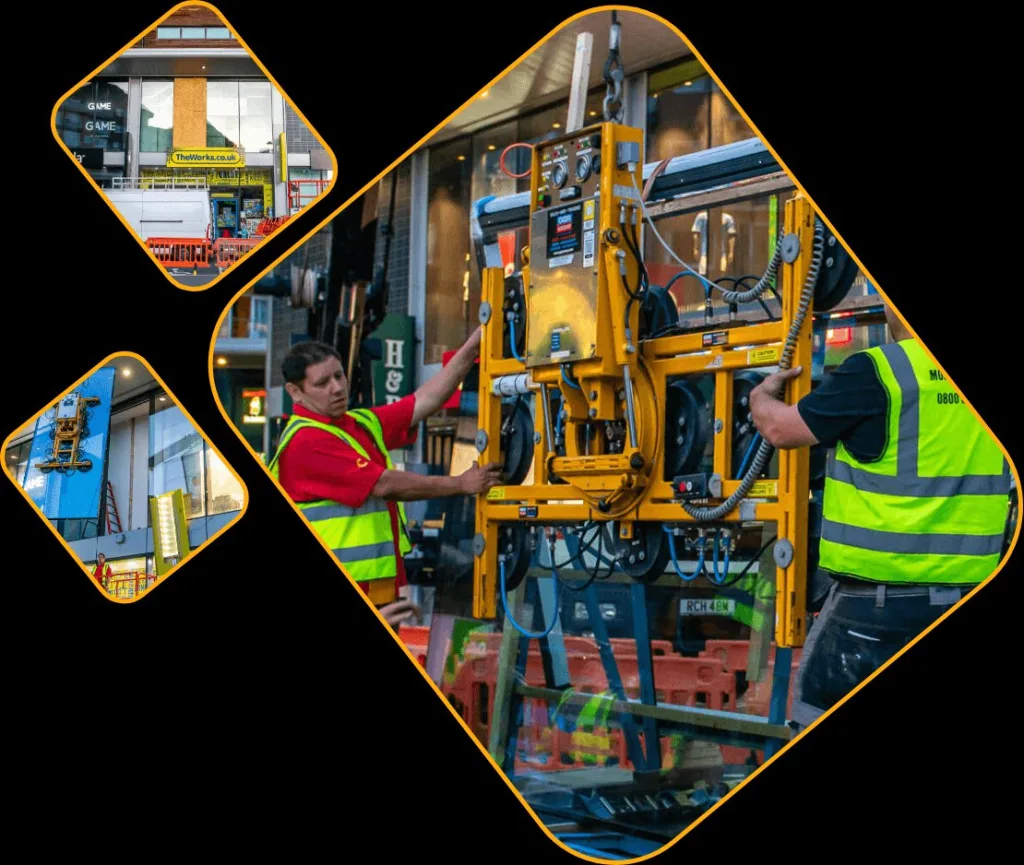
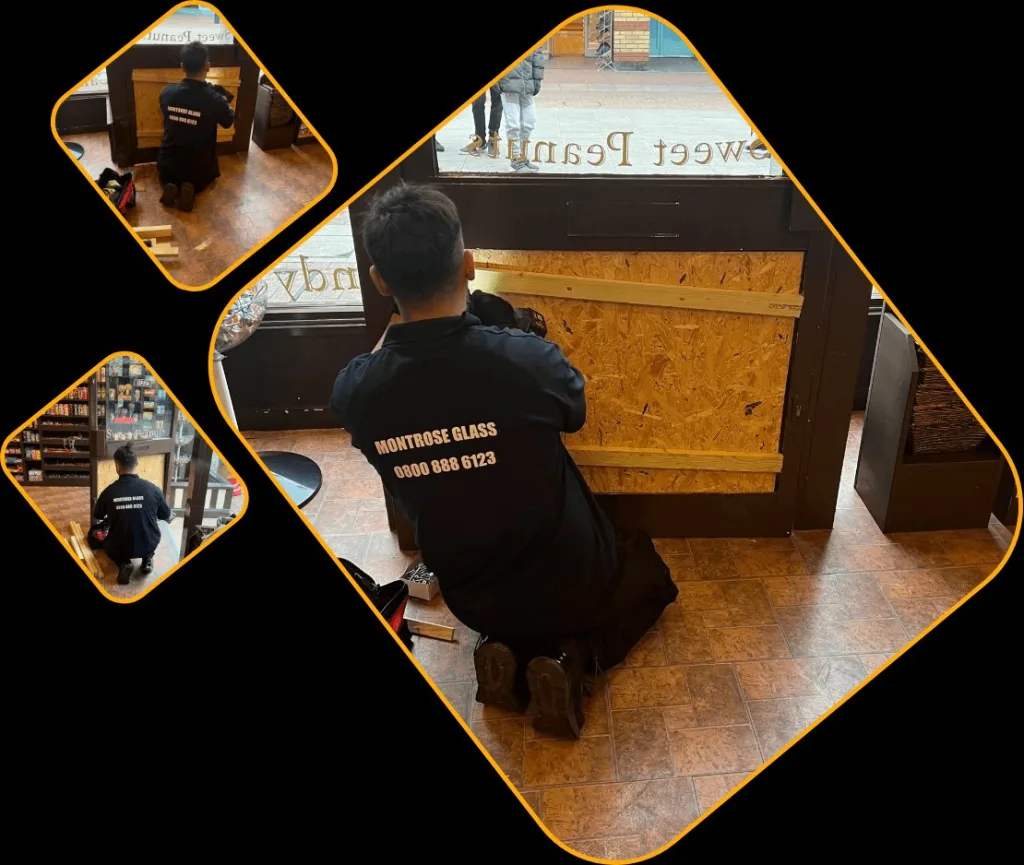
Montrose Glass provides domestic and commercial glazing with 24-hour emergency repair coverage across the UK.
The commercial shape of the business is what makes the search question interesting. Emergency glazing is bought under pressure, locally, by someone who has just had a window broken and wants it fixed today. The buyer does not compare, does not research and does not care about the brand. They search for the service and the place, and they call whoever appears. That makes local visibility the entire acquisition strategy, and it makes coverage the constraint. A glazier operating across hundreds of towns needs to be present in all of them, and Montrose Glass set out to be exactly that.
Conversions up 602%, keyword footprint up 227%
Conversion and traffic figures are drawn from the client’s own analytics and cover the campaign across SEO, the new website and paid search. Ranking keyword and Domain Rating figures are from Ahrefs Site Explorer, UK database, and relate to organic performance. The two sources agree on direction and scale.
A multi-award-winning agency
Integrated Agency of the Year - SilverEuropean Agency Awards 2026
Best Use of Search B2C (PPC) Small (The Swallow Co.)European Search Awards 2026
Standout B2C Ecommerce Website of the Year (Stelrad)UK Digital Excellence Awards 2026
Best Integrated Paid Media CampaignUK Paid Media Awards 2026
Best New Business CampaignUK Agency Awards 2025
Best Use Of Search (Retail/Ecommerce) - SEOUK Search Awards 2024
Integrated Agency of the Year - SilverEuropean Agency Awards 2026
Best Use of Search B2C (PPC) Small (The Swallow Co.)European Search Awards 2026
Standout B2C Ecommerce Website of the Year (Stelrad)UK Digital Excellence Awards 2026
Best Integrated Paid Media CampaignUK Paid Media Awards 2026
Best New Business CampaignUK Agency Awards 2025
Best Use Of Search (Retail/Ecommerce) - SEOUK Search Awards 2024 Four constraints on covering hundreds of towns
The choices that shaped the account

Build a local page system, not local pages
The decision that made the rest possible, made by SEO strategy lead Ben Austin, was treating geographic coverage as a systems question rather than a content question. The rejected alternative is what most multi-location service businesses end up with: either hand-written pages for each area, which stops being affordable after about thirty locations, or a mail-merge template that swaps the town name and ranks for nothing because every page is the same page. We built the local page creation into the website redesign, so a new area page could be produced by duplicating an existing page and updating the fields that actually differ, the coverage detail, the response times, the local specifics. The outcome: ranking keywords from 844 to 2,757, up 227%, and 33 new SERP features including image results and people also ask placements.

Prioritise by margin, not by volume
Content and targeting effort went to the higher-value services, emergency glazing in particular, rather than being spread evenly across the offering. The standard keyword prioritisation model ranks by search volume and difficulty, and that model would have directed effort at general glazing terms, which carry more searches and less urgency. Emergency work carries a higher margin, converts faster because the customer needs it now, and faces less comparison shopping because nobody gets three quotes for a smashed window at ten at night. Prioritising by margin is what turned a 122% traffic increase into a 602% conversion increase.

Write content that helps rather than content that targets
The blog programme was rebuilt around useful practical guidance, how to deal with foggy windows in cold weather, how to care for glazing after a repair, aligned with Google’s helpful content standard rather than with keyword coverage. The rejected alternative was location-plus-service content at scale, which is the obvious way to feed a local page system and the reason most of them get marked down. Useful content earns the topical relevance that supports the local pages underneath it.

Run the search campaign through the redesign, not around it
The SEO work was designed as part of the website rebuild rather than delivered before or after it. Most redesigns lose organic visibility because the search requirements arrive as a review after the build decisions have already been made. Specifying the local page system, the URL structure and the content requirements as part of the design brief meant the new site launched able to do the job rather than needing remediation afterwards.

Coordinate organic and paid against the same targets
Search and paid activity were run as one campaign against shared service and location priorities. In emergency services the two channels are complementary in a specific way. Paid covers a new service area immediately while the local page earns its position, and organic takes over as the page matures, which reduces the cost of expansion into each new town.
Who ran what
SEO strategy, led by Ben Austin
Ben Austin set the three calls the account ran on: treat coverage as a systems question and build the local page capability into the site itself, prioritise services by margin rather than search volume, and run organic and paid as one campaign against shared targets. Those decisions are why a 122% rise in traffic produced a 602% rise in conversions, from 52 to 365 a month.
Content, led by Alex Stott
Alex Stott led the content on both fronts: the field-level local detail that makes each area page worth ranking, coverage, response times and local specifics rather than a swapped town name, and the rebuilt blog programme of practical guidance aligned with Google’s helpful content standard. That combination is what let the local system scale to a 2,757-keyword footprint without tripping the thin-content assessment that catches most local rollouts.
Digital PR and outreach, led by Jack Hawtin
Jack Hawtin led the off-site work that supported the campaign’s authority position, with Domain Rating moving from 25 to 30 across the period. For a local service business the trust signals matter as much as the raw authority: a customer calling a company to come to their home at night, and a search engine ranking one, are both looking for the same corroboration, and the off-site profile supplied it.
Technical SEO, led by Shofiur Rahman
Shofiur Rahman led the technical build inside the redesign: the duplicable local page system with field-level updating, the URL structure specified in the design brief, and the structured data and media work behind the 33 new SERP features, including image results and people also ask placements. The site launched able to do the job, holding organic visibility through a full rebuild that costs most businesses exactly that.
Who worked on this account
What the campaign achieved
Monthly conversions rose from 52 to 365, an increase of 602% on the client’s own analytics. Monthly traffic across all channels rose from 1,333 to 2,291, an increase of 122%. Ranking keywords grew from 844 to 2,757, an increase of 227% measured in Ahrefs, as the local page system expanded the site’s geographic footprint. 33 new SERP features were gained, including image results and people also ask placements, and Domain Rating moved from 25 to 30.
The relationship between those numbers is the point. Traffic rose 122% while conversions rose 602%, which means the visitors arriving were far more likely to become customers than volume-led targeting would have delivered. That is what prioritising by margin produces, and it is why conversions rather than traffic are the right headline metric for a business like this one.
| Measure | Before | After | Change |
|---|---|---|---|
| Monthly conversions | 52 | 365 | Up 602% |
| Monthly traffic, all channels | 1,333 | 2,291 | Up 122% |
| Ranking keywords | 844 | 2,757 | Up 227% |
| New SERP features | – | 33 | – |
| Domain Rating | 25 | 30 | Up 5 points |
Conversion and traffic figures from the client’s own analytics across SEO, the new website and paid search. Ranking keyword and Domain Rating figures from Ahrefs Site Explorer, UK database.

What multi-location service businesses should take from this
What Montrose Glass say
Local and multi-location SEO, answered
How do you do SEO for a business covering hundreds of locations?
By building a local page system rather than writing local pages. Hand-written area pages stop being affordable at scale and templated ones rank for nothing. Building duplication and field-level updating into the website means a new area page takes minutes and carries the specific detail that makes it worth ranking.
Why do most local page rollouts fail?
Because they produce the same page with a different town name, which search engines correctly identify as offering nothing new. The pages that work carry information that actually differs by location, coverage, response times and local specifics, and sit underneath content that earns topical relevance.
Should keyword priorities follow search volume?
Not in a service business with varying margins. The keyword tool ranks by demand and the business should rank by customer value. On this account, Montrose Glass traffic rose 122% while conversions rose 602%, from 52 to 365 a month, because the effort went to the higher-margin services rather than to the higher-volume ones.
How does urgency change search strategy?
It removes the consideration stage. An emergency customer does not research, compare or return later, so visibility at the moment of search is the entire job. Content further up the funnel supports topical relevance rather than generating leads directly.
How do you stop a website redesign damaging organic performance?
By specifying search requirements as part of the design brief rather than reviewing the build afterwards. URL structure, page systems and content requirements are build decisions, and raising them after the design is signed off means either remediation or a compromise.
Should local SEO and paid search be run together?
In an expanding service business, yes. Paid provides immediate coverage in a new area while the local page earns its position organically, then reduces as organic takes over. Run separately, the two compete for the same clicks and expansion costs more than it needs to.
What are SERP features worth in local service search?
A great deal, because they occupy space above or alongside the standard results and are frequently what an urgent searcher reaches first. This campaign gained 33 new features including image results and people also ask placements.
How long does a local page programme take to show results?
New pages typically begin ranking within weeks where the site already holds topical relevance, and mature over a following quarter. The compounding advantage is expansion speed: once the system exists, each new service area becomes findable almost immediately rather than requiring a new content project.
More case studies
Ready to grow like Montrose Glass?
If you operate across hundreds of locations, the constraint is usually the page system rather than the marketing budget. Book a consultation and we will show you where the biggest gains are.