Absolute really have gone above and beyond expectation with our campaign. Being in an industry based on science and nutrition, the team have not only helped strengthen our SEO and show significant growth in rankings but also always meet the technical side of scientific content in a way the audience can truly understand and relate.
Position 21 to Page One on an 11,000-Search Term
How Absolute Digital Media rebuilt the category pages of a family-run British wellness brand, grew top-three rankings 1,045% and lifted transactions 306%.


What did Absolute Digital Media achieve for Eden's Gate?
Absolute Digital Media's SEO campaign for Eden's Gate delivered +1,045% keywords in the top three (11 to 126), 9,171 monthly organic sessions (from 1,313), +306% transactions and +9 Domain Rating points (24 to 33).

A family business that built its range around clarity
Eden’s Gate was founded as a family business and built its range around clarity. Every product is batch tested with lab certification, the CBD is extracted using supercritical CO2 rather than solvents, and the sourcing is documented from cultivation to shelf. That transparency is the brand’s commercial position, and it was also the campaign’s biggest asset, because a category built on unverifiable health claims rewards the one retailer prepared to show its working.
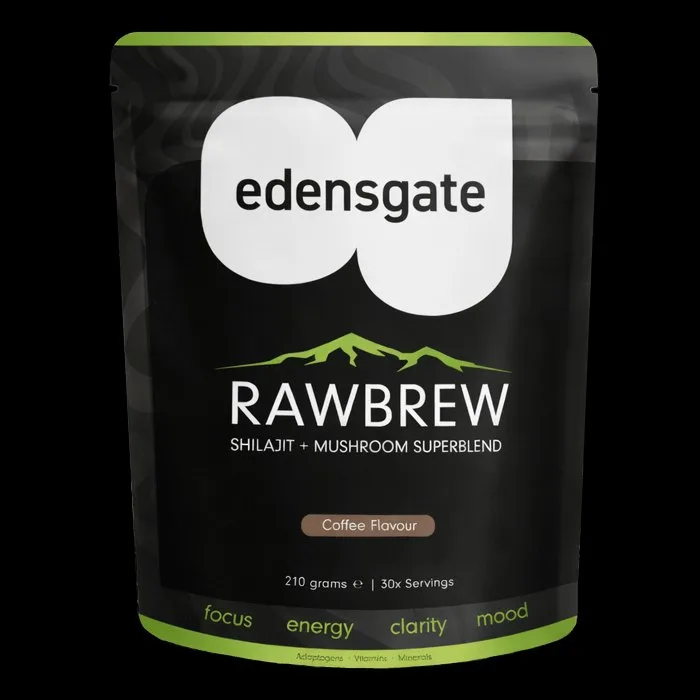
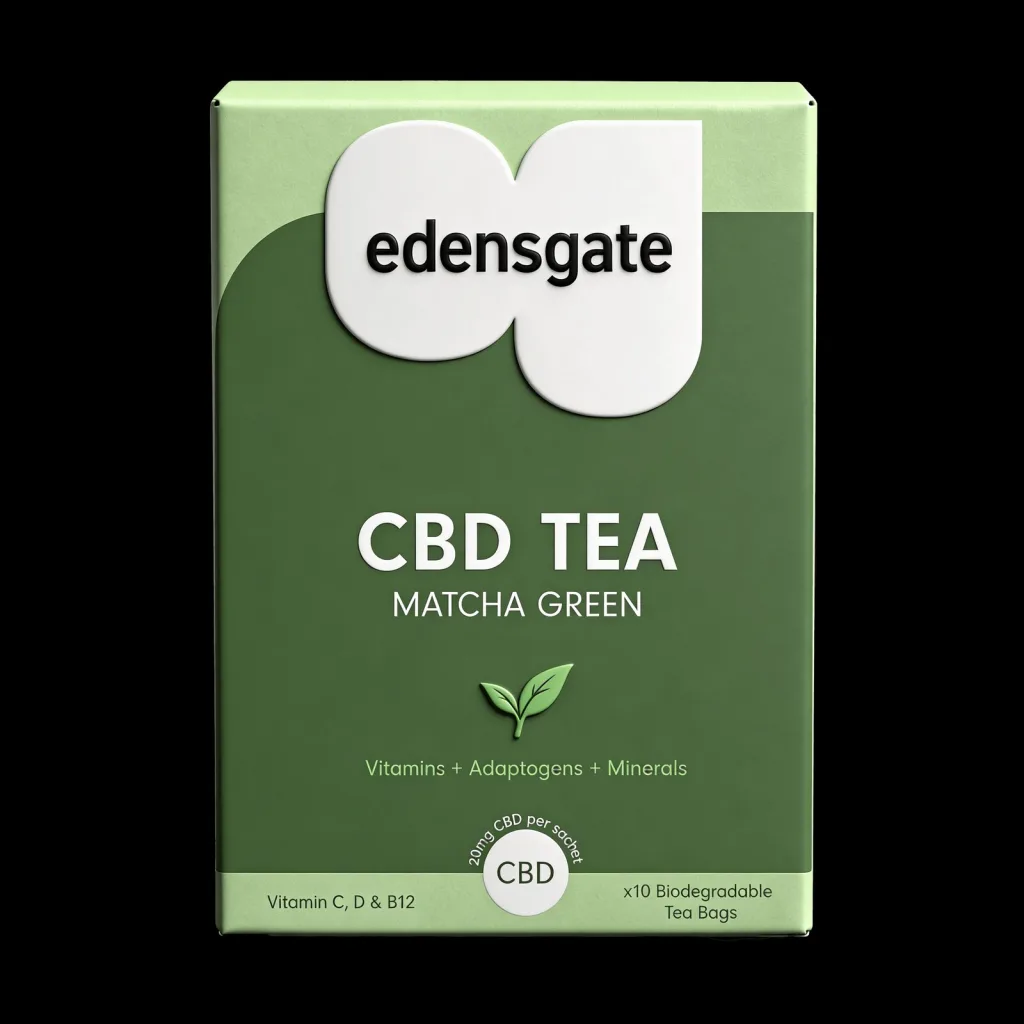
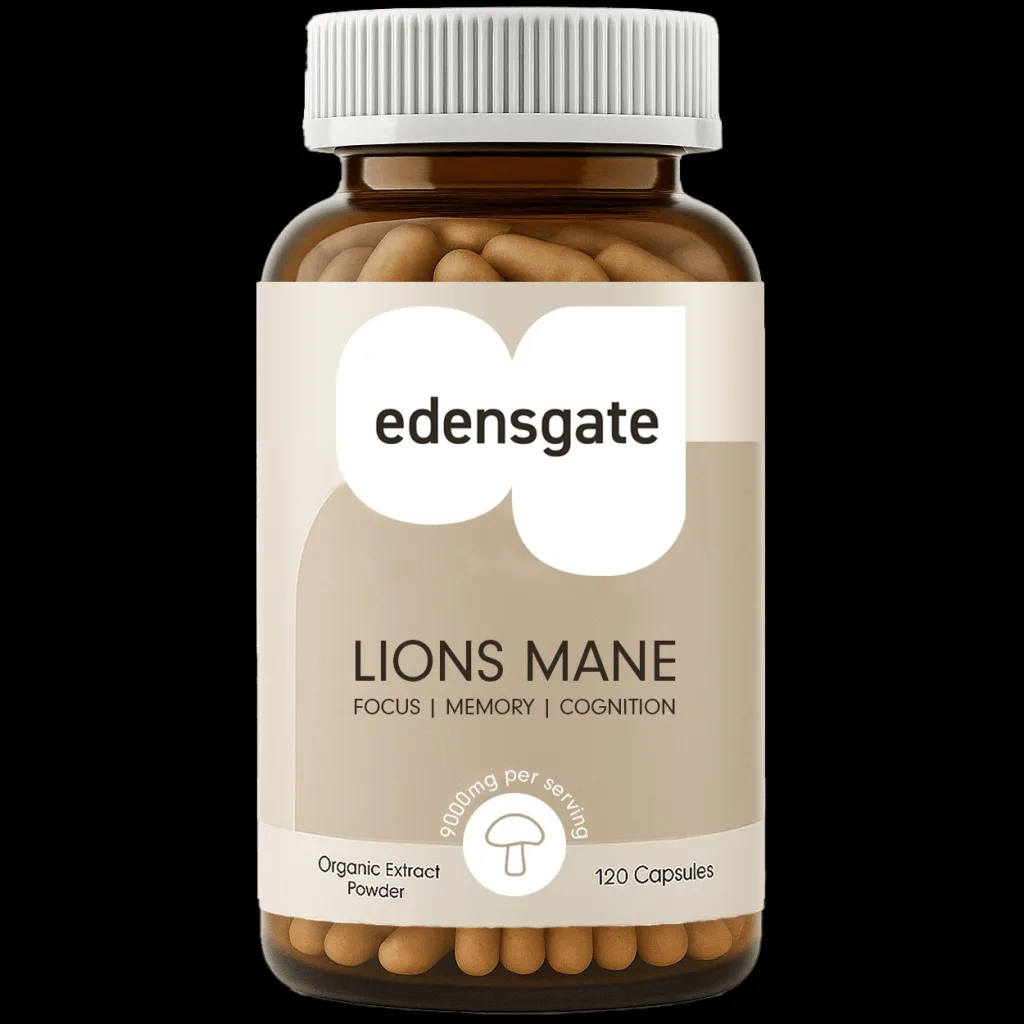
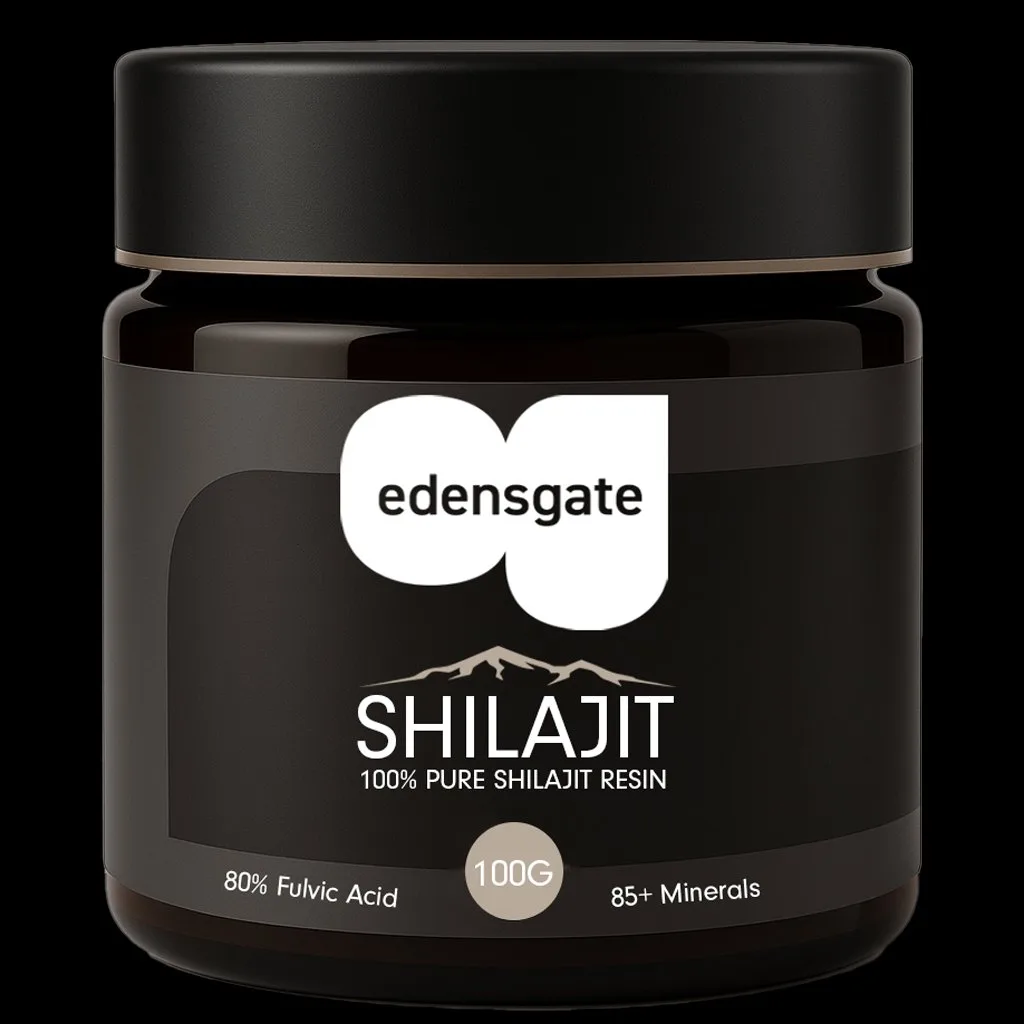
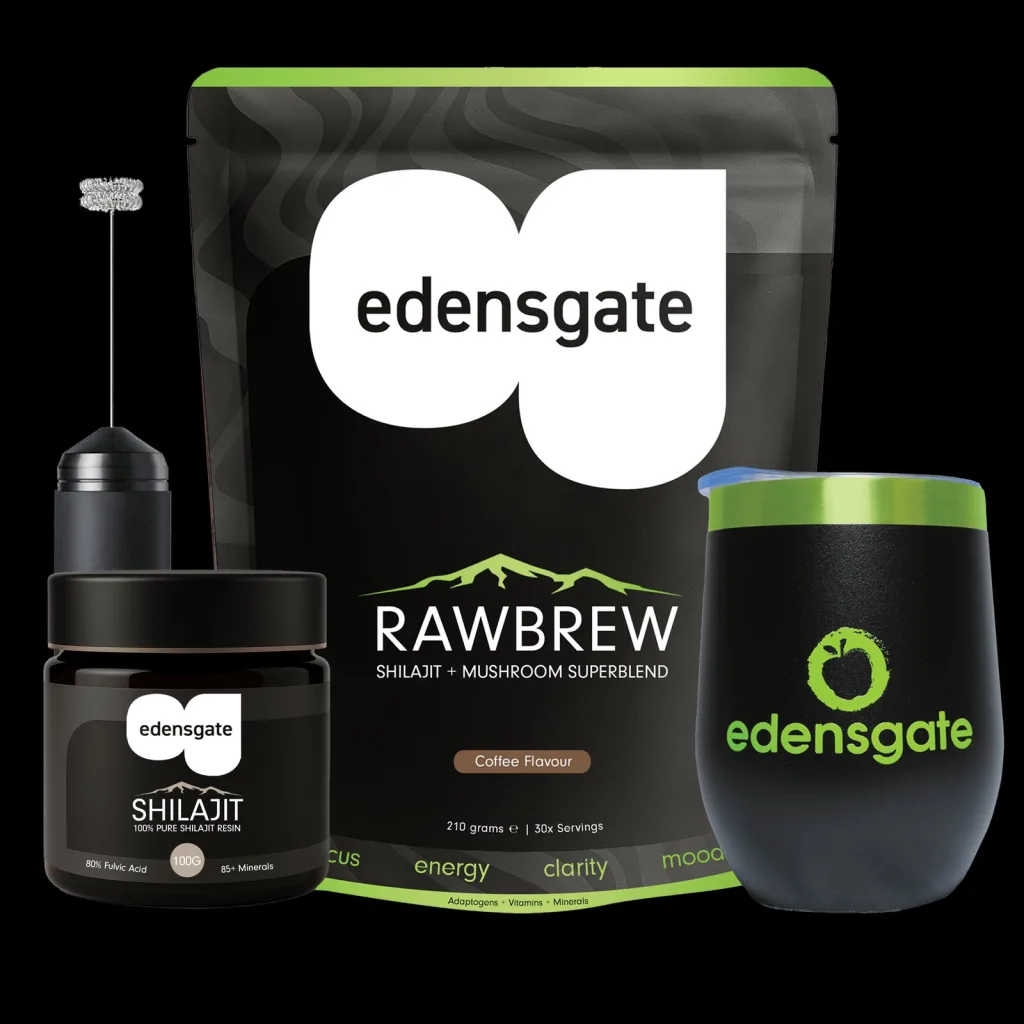
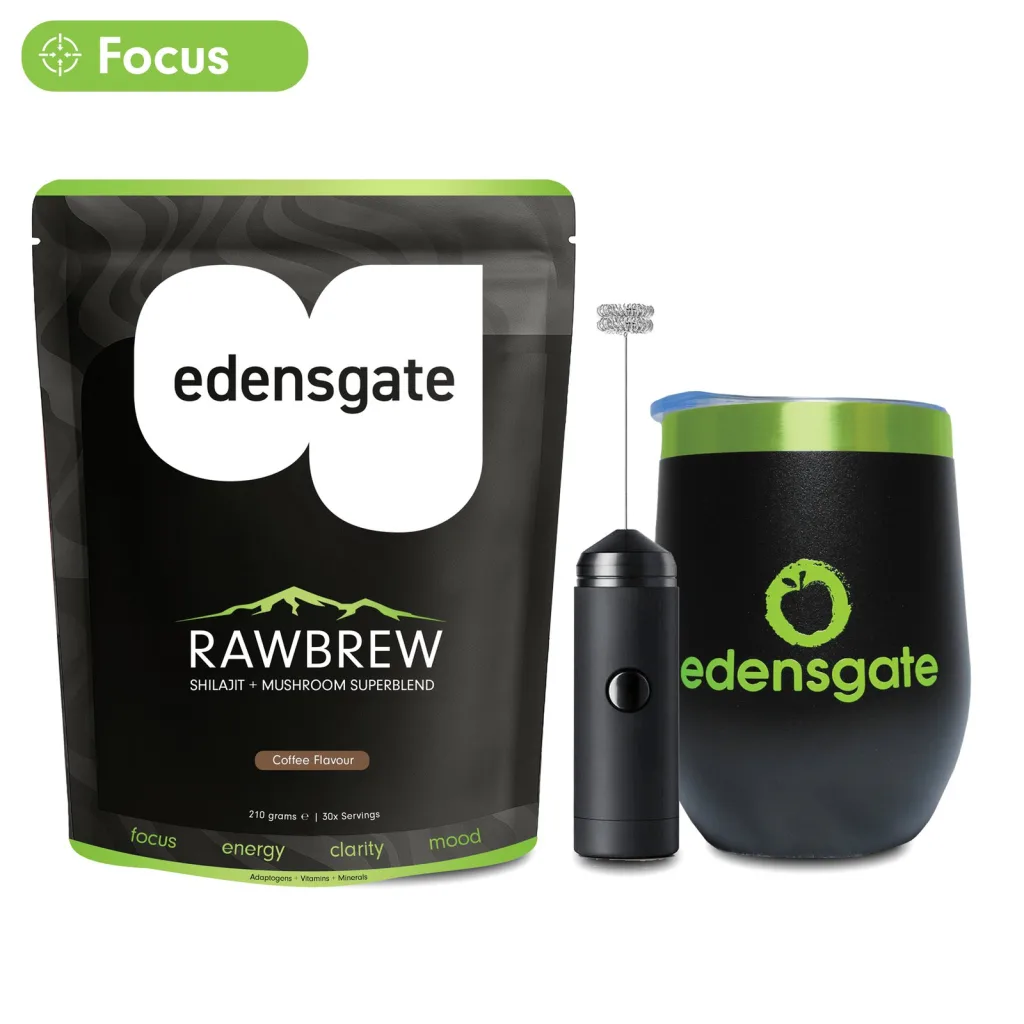
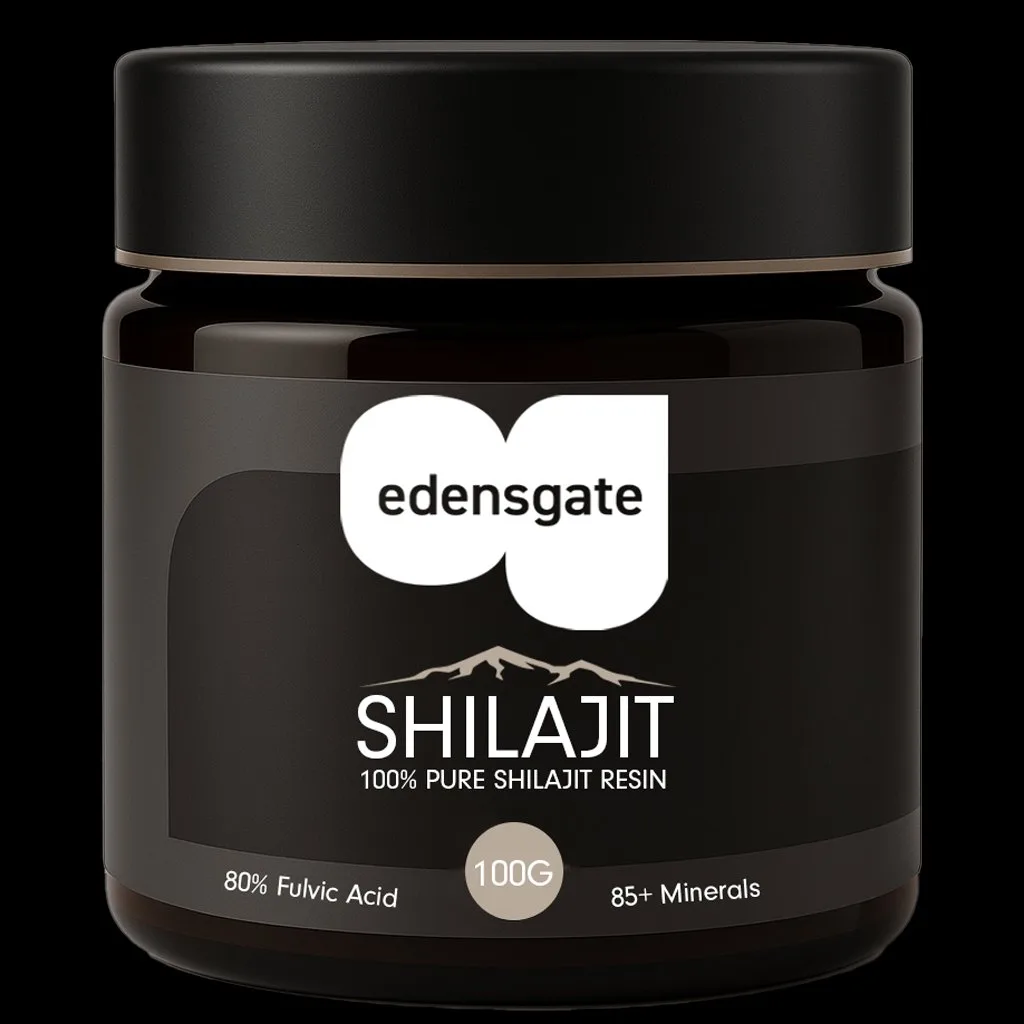
The range spans CBD gummies, topical creams and balms, and a line of CBD teas, alongside an expanding adaptogen and functional mushroom range. The brand had a loyal customer base and a clear ambition: to be found by the non-branded searches that bring new customers in.
Top-three rankings up 1,045% on a nine-point authority move
Source: Ahrefs Site Explorer, UK database. Keywords in the top ten rose from 57 to 229, up 302%, and total ranking keywords from 270 to 1,199, up 344%. From the client’s own analytics: ecommerce conversion rate up 60%, transactions up 306%.
A multi-award-winning agency
Integrated Agency of the Year - SilverEuropean Agency Awards 2026
Best Use of Search B2C (PPC) Small (The Swallow Co.)European Search Awards 2026
Standout B2C Ecommerce Website of the Year (Stelrad)UK Digital Excellence Awards 2026
Best Integrated Paid Media CampaignUK Paid Media Awards 2026
Best New Business CampaignUK Agency Awards 2025
Best Use Of Search (Retail/Ecommerce) - SEOUK Search Awards 2024
Integrated Agency of the Year - SilverEuropean Agency Awards 2026
Best Use of Search B2C (PPC) Small (The Swallow Co.)European Search Awards 2026
Standout B2C Ecommerce Website of the Year (Stelrad)UK Digital Excellence Awards 2026
Best Integrated Paid Media CampaignUK Paid Media Awards 2026
Best New Business CampaignUK Agency Awards 2025
Best Use Of Search (Retail/Ecommerce) - SEOUK Search Awards 2024 Four constraints on a saturated wellness category
The choices that shaped the account

Rebuild the category pages rather than publish around them
The strategy was set and led by Ben Austin. The decision that shaped the campaign was to put the effort into the commercial category pages themselves rather than into an informational content programme feeding them. The rejected alternative was the standard ecommerce SEO play: build a blog, target informational queries, funnel readers to product pages. It works, slowly, and it produces traffic that converts poorly. In a category where the buyer already knows what CBD gummies are and is searching for somewhere to buy them, the ranking that matters is the one on the transactional query. The priority category pages, gummies, creams and tea, were rewritten and restructured with the word count, layout and keyword architecture that the pages holding position one were using.

Target the head term rather than route around it
“CBD gummies UK” at 11,000 monthly searches was contested by better-resourced competitors, and the conventional advice would have been to build authority on long-tail variants first and approach the head term later. We went at it directly, on the reasoning that the head term and its long-tail variants are served by the same page. Optimising the category page for the head term captures the long tail as a by-product, while optimising for the long tail alone leaves the head term permanently out of reach. The gummies page finished the campaign holding 93 ranking keywords against 21 at the start, and reached page one on the head term.

Heatmaps before conversion changes
Conversion work on category pages is usually guesswork dressed as best practice. Heat mapping ran across the priority pages to establish where users were actually clicking, where they stalled and where they left, then the navigation and on-page elements changed against that evidence rather than against a checklist. The rejected alternative was applying standard ecommerce CRO patterns sitewide. Those patterns are derived from averages across categories that behave nothing like CBD, where the buyer arrives carrying scepticism about efficacy and legality and needs different reassurance in a different order. That work is why the conversion rate moved 60% rather than the traffic simply arriving and leaving.

Fix the crawl before scaling the content
Site speed, crawlability and indexability were addressed early, on the principle that content improvements on pages a search engine assesses inconsistently return nothing. Sequencing matters here: the technical work has no visible effect on its own, which is why it is frequently deferred, and deferring it caps everything that follows.

Niche authority over volume
Link acquisition was restricted to relevant health and lifestyle publications rather than pursued on volume. Domain Rating moved nine points across the campaign, from 24 to 33, and that is a deliberate rate. In a category under sustained algorithmic scrutiny, where regulatory pressure and health claims make the whole vertical a candidate for quality review, a link profile that grows faster than the brand does is a liability rather than an asset. Sitewide top-three rankings grew 1,045% on a nine-point authority move, which is the ratio that matters: the growth came from the pages, and the authority supported it rather than substituting for it.
Who ran what
SEO strategy, led by Ben Austin
Ben Austin set the campaign on category pages and head terms when the safer pitch was a blog and the long tail. The keyword architecture mapped the head term and its variants to single pages, the priority order put the highest-value line first, and the sequencing held technical work ahead of content at the point where reversing them would have wasted both. The result of those calls is a gummies page that grew from 21 to 93 ranking keywords and a site whose top-three rankings rose 1,045%.
Content, led by Alex Stott
Alex Stott rebuilt the priority category pages to the standard the FSA novel foods regime and the CAP Code allow, which removes medicinal claims and rewards evidence. The pages lead with the lab certification, sourcing documentation and product clarity that are the brand’s commercial position, structured to the word count and architecture the ranking pages were using. Writing scientific content a buyer can actually follow is the discipline the testimonial singles out.
Digital PR and outreach, led by Jack Hawtin
Jack Hawtin ran link acquisition to a relevance standard, restricted to health and lifestyle publications, at a rate chosen to keep the profile growing more slowly than the brand. Nine points of Domain Rating across the campaign supported a 1,045% rise in top-three rankings, which is the ratio a category under regulatory and algorithmic scrutiny should want: authority that corroborates the pages rather than carrying them.
Technical SEO, led by Shofiur Rahman
Shofiur Rahman cleared the crawlability, indexability and site speed constraints first, so every content and link improvement that followed was assessed on pages a search engine could actually reach. The technical work produced no headline of its own, which is exactly the point: it is the reason the category page rebuilds returned ranking movement within months rather than being capped at the crawl.
Who worked on this account
What the campaign achieved
Keywords in the top three positions rose from 11 to 126, a tenfold increase in the rankings that carry the majority of clicks. Keywords in the top ten rose from 57 to 229, and the total ranking keyword set grew from 270 to 1,199. All figures from Ahrefs Site Explorer, UK database.
Monthly organic sessions grew from 1,313 to 9,171, a 598% increase. “CBD gummies UK” moved from position 21 to page one on a term carrying 11,000 monthly searches at the time.
Ecommerce conversion rate rose 60% and transactions rose 306%, measured in the client’s own analytics. Traffic growth and conversion growth compounding together is what produced the transaction figure, and it is the reason the heatmap work sat inside the SEO campaign rather than beside it.
| Page | Lead keyword | Sessions before | Sessions after |
|---|---|---|---|
| CBD creams | cbd cream uk | 156 | 953 |
| CBD gummies | cbd gummies uk | 72 | 682 |
| CBD tea | cbd tea uk | 0 | 378 |
| Homepage | edensgate | 20 | 742 |
Source: Ahrefs Site Explorer, UK. The CBD creams, CBD tea and homepage entries each hold position one; the gummies page reached page one on its head term. The CBD tea category page entered the rankings during the campaign and ranks first for “cbd tea” today, on a term now carrying 1,600 monthly searches, making it the single largest organic page on the site. Category pages built properly keep earning long after the campaign that built them has finished.

What wellness and supplement brands should take from this
What Eden's Gate say
Frequently asked questions
How competitive is SEO in the UK CBD market?
Highly. Head terms carry thousands of monthly searches and are contested by retailers and affiliate comparison sites simultaneously. Eden’s Gate began at position 21 on an 11,000-search term and reached page one, which took category page rebuilding rather than volume publishing.
Should ecommerce brands invest in category pages or blog content?
Category pages first in transactional categories. A blog reaches buyers earlier in the journey and converts far more slowly. Where the buyer already knows the product and is looking for a supplier, the commercial page is where the revenue sits, and it captures the long-tail variants alongside the head term.
Is it realistic to target a competitive head term directly?
Yes, because the head term and its variants are served by the same page. Optimising a category page for the head term captures the long tail underneath it, while optimising only for the long tail leaves the head term out of reach. The gummies page here finished with 93 ranking keywords against 21 at the start.
How much authority does a site need to rank in a competitive category?
Less than most agencies imply, provided the pages are strong. Eden’s Gate grew top-three rankings by 1,045% on a nine-point Domain Rating increase. The ratio matters more than the absolute number, because it shows where the growth came from.
Does heatmap analysis belong in an SEO campaign?
When the campaign is measured on revenue rather than traffic, yes. Rankings determine how many people arrive and the page determines how many buy. Heatmaps replace assumption with observation about where users stall and leave, which is how the conversion rate moved 60% alongside the traffic growth.
Why fix technical SEO before improving content?
Because content improvements on pages that are crawled poorly or indexed inconsistently return nothing. Technical work produces no visible result on its own, which is why it gets deferred, and deferring it caps everything that follows it.
How long does ecommerce SEO take to produce results?
Category page rebuilds typically show ranking movement within two to three months and revenue effect over the following quarter. The compounding continues well beyond the campaign: the tea category page built during this programme still holds position one years later.
Do CBD and supplement brands face additional SEO constraints?
Yes. CBD extracts are regulated as novel foods by the Food Standards Agency in Great Britain, and the ASA’s CAP Code prohibits medicinal and health claims for unauthorised products. Content has to be written to those standards first and optimised second, which restricts the persuasive language that would perform best and makes the technical and structural work carry more of the weight.
More case studies
Ranking outside the visible results on the terms that convert?
If your category pages are ranking outside the visible results on the terms that convert, the fix is on those pages rather than around them. Eden’s Gate reached page one on an 11,000-search term by rebuilding the pages that carry the revenue, and the same decision is open to any transactional category.