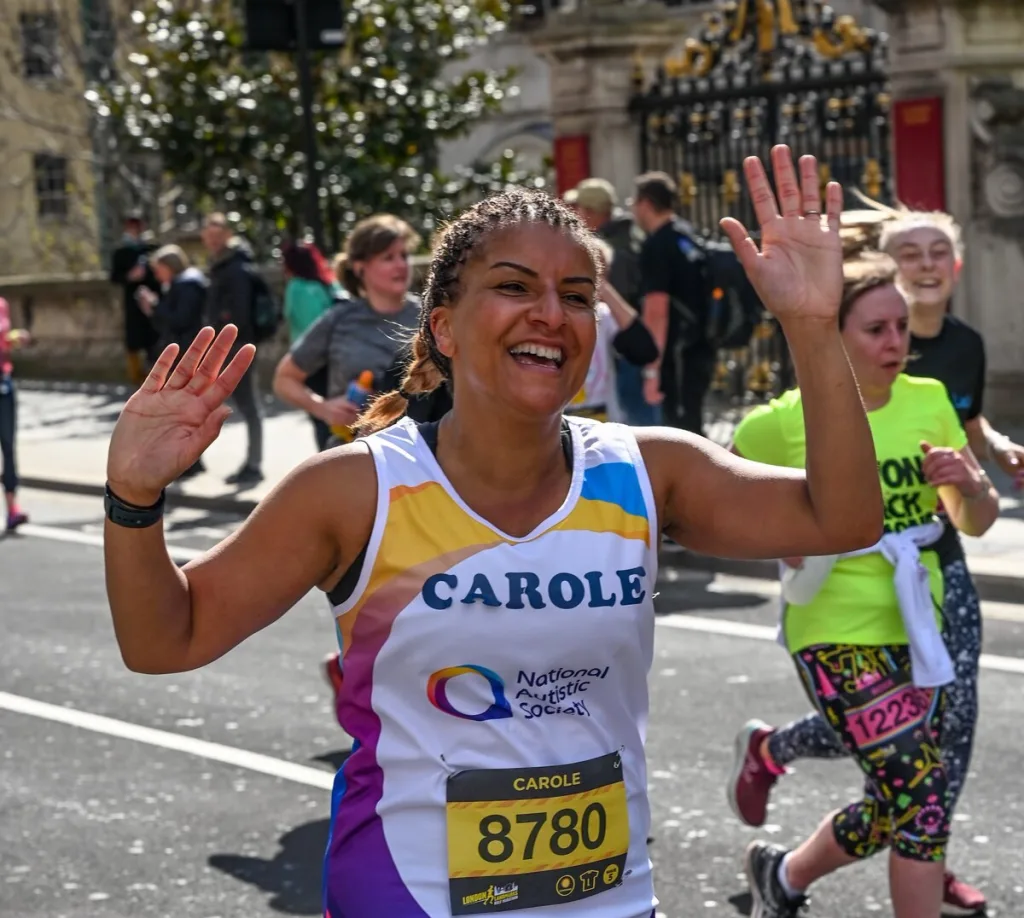
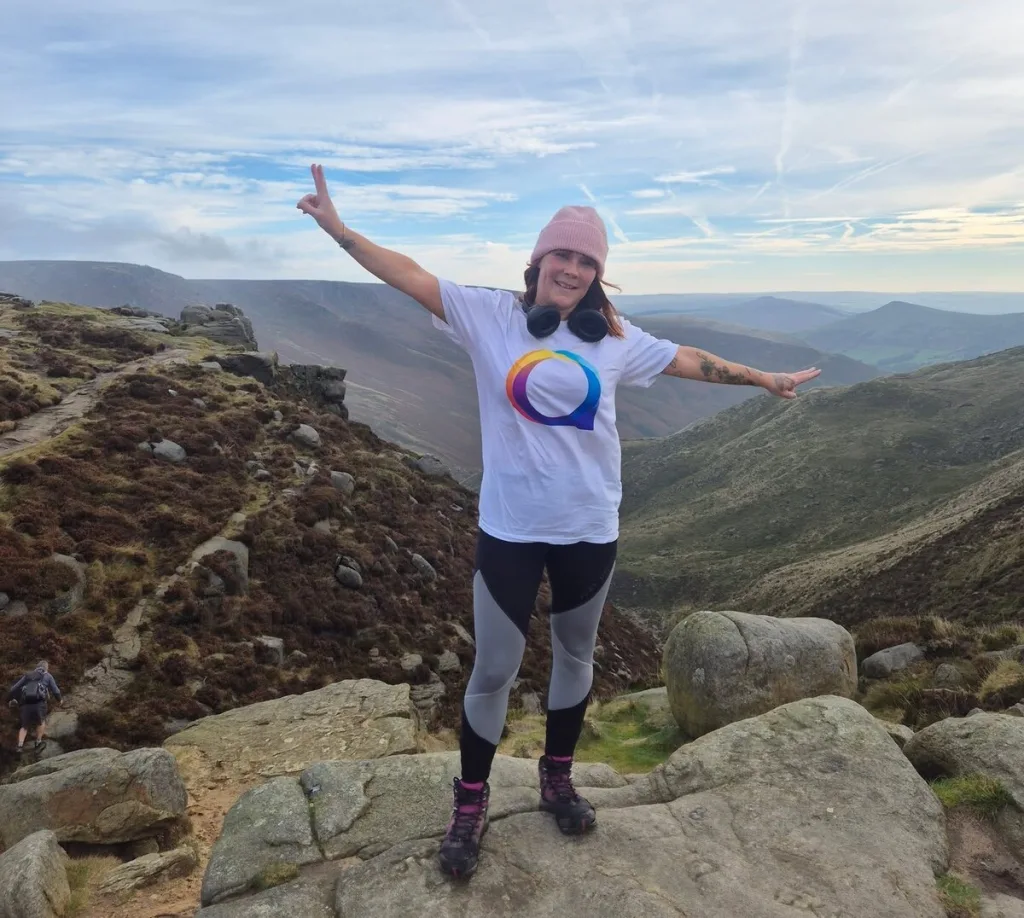
The campaign generated 2,199 sign-ups and raised more than £100,000 through Facebook, which is over £45 raised for every registration the campaign produced. That figure is the one worth holding onto, because it measures what the campaign was actually for. A lead generation campaign reporting 2,199 sign-ups tells you nothing about whether any money arrived.
The charity has described the impact of the wider programme in its own terms: training helpline volunteers who went on to support more than 250 individuals over six months, and funding the recruitment of an ageing specialist providing expert support to an average of 50 individuals and families a month. Those outcomes are the charity’s account of the whole relationship, including the Google Ad Grant work, rather than of this campaign alone.
Two things made the difference. Designing for the outcome rather than the conversion event: the measurable action available was a sign-up, and optimising towards it would have produced a good-looking report and a fraction of the money. And working around the charity’s existing capability rather than through it, a less profitable engagement model, and the reason the relationship now covers five campaigns rather than one.
| Measure |
Figure |
Source |
| Funds raised through Facebook |
£100,000+ |
Campaign reporting, Meta Ads |
| Completed challenge registrations |
2,199 |
Campaign reporting, Meta Ads |
| Raised per registration, derived |
£45+ |
Derived from the two figures above |
| Standing |
Most successful challenge campaign to date |
Client-confirmed |
| Relationship |
Extended to three further Meta campaigns |
Client-confirmed |
Media spend is not published for this engagement, so no return on ad spend is claimed. Raised per registration is a floor, since the funds figure is stated as a minimum.